The Art of Custom Swimming Pool Mosaics: Transforming Dubai's Luxury Pools
In the world of high-end swimming pool design, the difference between a beautiful pool and a breathtaking one often comes down to detail. For homeowners and hoteliers in Dubai, where outdoor living is a year-round affair, the pool is more than a place to swim. It is a centerpiece of the property, a statement of taste, and a reflection of personal style. That is where custom swimming pool mosaics come into play. These handcrafted installations turn ordinary pools into works of art, using materials and techniques that have been refined over centuries.
Dubai's luxury market has always demanded the best, and the pool industry is no exception. From the private villas on the Palm Jumeirah to the grand hotel pools overlooking the Dubai Creek, mosaic work has become a defining feature of aquatic architecture. The shift from plain blue tiles to intricate, custom-designed mosaics is driven by a desire for uniqueness. A custom swimming pool mosaic allows for complete creative freedom, whether you want a geometric pattern that mirrors the angles of your villa, a portrait of a beloved pet, or a scene inspired by the ocean depths.
Materials That Make the Difference
The choice of material is critical in mosaic work, especially for pools that must withstand constant exposure to water, chemicals, and sunlight. Glass mosaic tiles are a favorite among designers and artisans because of their durability and brilliance. Brands like Bisazza and Sicis have set the standard for luxury glass mosaics, offering a palette of colors that can handle complex shading and fine detail. Venetian glass, in particular, is prized for its depth of color and light-reflecting qualities. When used in a pool, these tiles seem to glow from within, creating an almost magical effect as the water moves over them.
Smalti, a traditional glass mosaic material made with mineral pigments, brings an unmatched richness to custom work. Each small piece, or tessera, is cut by hand, giving the finished surface a subtle irregularity that catches the light differently from every angle. This is not a material for mass production; it is for bespoke projects where every detail matters. For those looking to incorporate a more organic feel, zellige tiles offer a handmade, textured look that pairs beautifully with glass mosaics. Zellige, with its characteristic slight variations in color and shape, adds warmth and depth to any water feature.
Designing for the Water
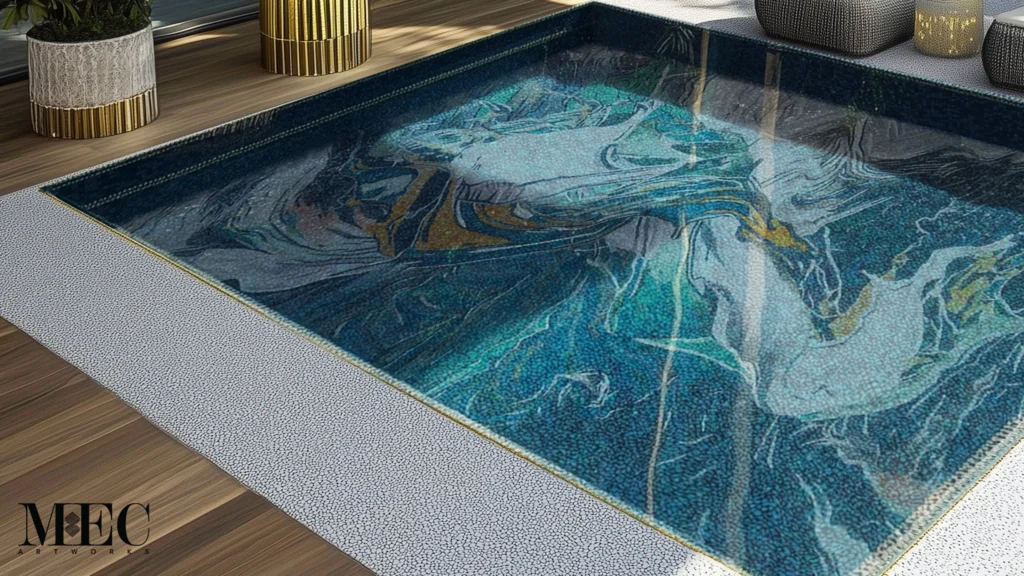
Designing a mosaic for a swimming pool is different from designing for a wall or floor. The water acts as a lens, distorting and magnifying the pattern beneath it. Colors that look perfect in a sample board may appear washed out or overly bright once submerged. A skilled mosaic designer takes this into account, choosing tiles that hold their intensity when wet and using contrast to ensure the pattern reads clearly through the water.
Geometric patterns are a popular choice for contemporary pools. They can be simple, like a repeating diamond or chevron pattern, or complex, like a tessellated star that spreads across the entire pool floor. These patterns work well with glass mosaic tiles because the precise edges of the tesserae allow for sharp lines and clean transitions. For clients who want something more personal, portraiture or custom imagery is an option. A portrait of a family crest, a favorite flower, or even a stylized version of a landmark like the Burj Al Arab can be translated into a mosaic that becomes a conversation piece.
Water features are another area where custom mosaics shine. A mosaic bench at the shallow end, a tiled water slide, or a decorative fountain in the center of the pool can all be integrated into the overall design. The key is to treat the entire pool as a single canvas, with the mosaic work flowing from the floor up the walls and into the surrounding landscape.
The Craft of Installation
Installing a custom swimming pool mosaic is a labor-intensive process that requires patience and precision. The tiles are typically mounted on mesh sheets before installation, which allows the artisan to control the layout and ensure that the pattern is exact. Once the sheets are set in place, the grout is applied. The choice of grout is important. Epoxy grout is often preferred for pools because it is resistant to water penetration and staining. It also holds up well against pool chemicals, including hydrochloric acid, which is sometimes used for cleaning. The grout color can make or break a design. A contrasting grout emphasizes the individual tesserae, while a matching grout makes the surface appear more seamless.
One of the challenges of pool mosaic work is the curved surfaces. The corners of steps, the curves of a spa seat, and the radius of a vanishing edge all require careful cutting and fitting of tiles. This is where the experience of the installer matters most. A poorly fitted mosaic can look sloppy and will be prone to damage over time. High-end projects often involve a team of artisans working on site for several weeks, adjusting each piece by hand.
Bringing the Vision to Life
The process of creating a custom swimming pool mosaic typically starts with a consultation. The client shares their ideas, whether it's a reference to a favorite piece of art, a pattern from a fabric, or a theme inspired by the sea. The designer then creates a scaled rendering of the mosaic, often using digital tools to show how the pattern will look in the pool. Once the design is approved, the tiles are sourced and the fabrication begins.
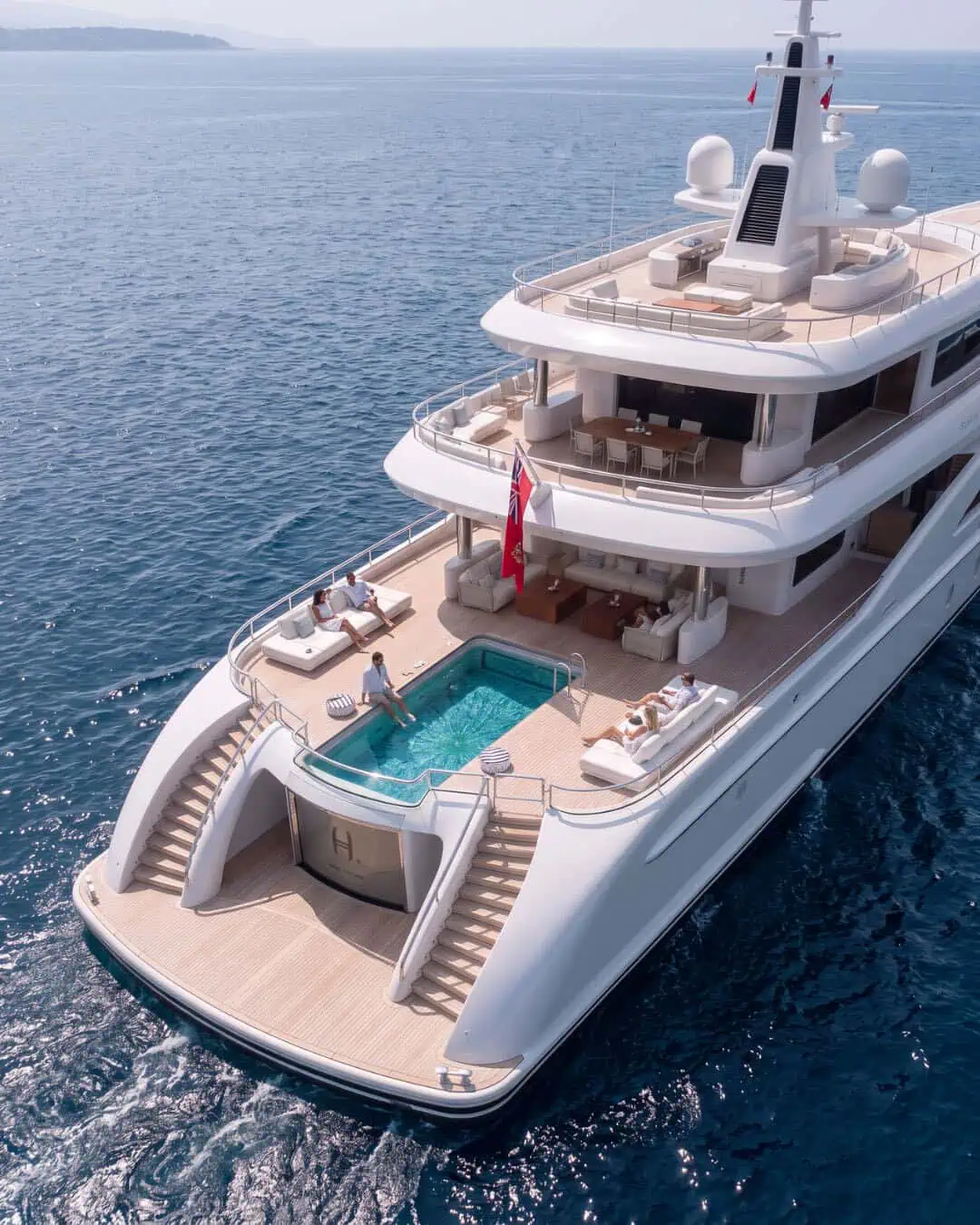
For large projects, like the mosaic work at the Emirates Palace or the hotel pools on the Palm Jumeirah, the timeline can be several months. The result, however, is a pool that feels truly one of a kind. Unlike a printed or painted surface, a glass mosaic has a physical depth that catches the light and changes throughout the day. The reflections off the water and the shimmer of the tiles create a living, breathing surface that responds to the environment.
Maintenance and Longevity
One of the advantages of custom swimming pool mosaics is their longevity. Glass and smalti tiles do not fade or degrade like paint. They are resistant to the staining effects of pool chemicals and can be cleaned with mild detergents or diluted hydrochloric acid without damage. The grout, however, requires attention. Over time, grout can become porous or crack, especially if the pool structure shifts. Regular maintenance, including checking for loose tiles and resealing the grout as needed, will keep the mosaic looking fresh for decades.
For those considering a mosaic pool, it is worth investing in high-quality materials from the start. Cheaper tiles may chip or lose their color, and the cost of replacing them outweighs the initial savings. Venetian glass, for example, is more expensive than standard glass but offers a brilliance that lasts. Brands like Bisazza and Sicis have built their reputations on this durability.
The Future of Pool Mosaics in Dubai
As Dubai continues to grow, so does the demand for pools that are as much about aesthetics as they are about function. The trend toward bespoke design shows no signs of slowing. Homeowners are looking for ways to personalize their spaces, and a pool is one of the most visible areas of a property. The use of custom swimming pool mosaics allows for a level of personalization that prefabricated tiles cannot match.
In commercial settings, like the swimming pool design for hotels and resorts, mosaics serve a dual purpose. They create a memorable visual identity for the property, and they withstand the heavy use that comes with a high-traffic pool. The mosaic work at the Burj Al Arab, for instance, is not just decorative; it is part of the brand's image. Similarly, the aquatic installations in private residences on the Palm Jumeirah reflect the owner's taste and status.
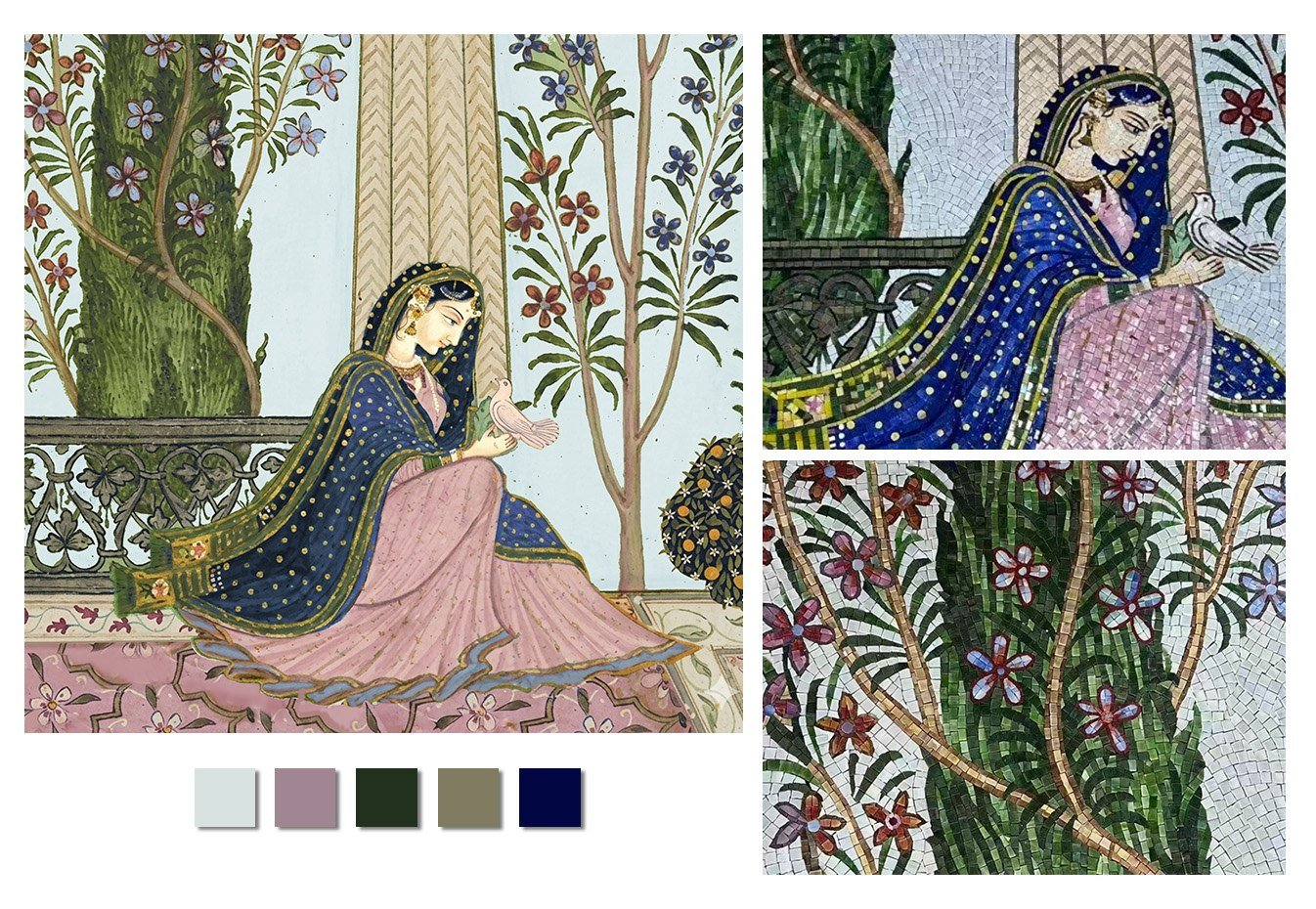
Materials like smalti and zellige will likely continue to be popular for their handmade qualities, while glass mosaic tiles will remain a staple for their practical benefits. The interplay between traditional craft and modern technology is where the most exciting work happens. Digital design tools allow for precise planning, but the final product is still laid by hand, piece by piece.
For anyone planning a new pool or renovating an existing one, exploring the possibilities of custom mosaic work is a worthwhile step. Whether the goal is a subtle geometric pattern that complements the architecture or a vibrant scene that becomes the focal point of the backyard, the right mosaic can transform the space. The key is to work with a designer who understands both the art and the science of underwater mosaics. The result is a pool that is not just a place to swim, but a work of art that adds value and beauty to the home.